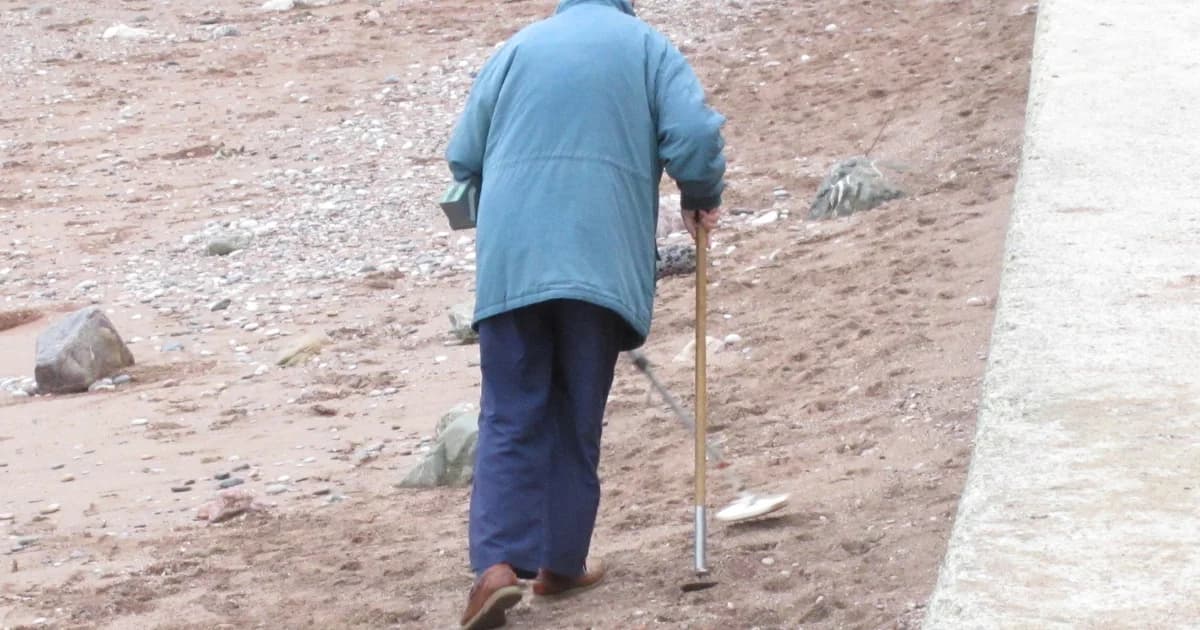
Why do detectorists prefer low tides and storm cuts on beaches?
Low tides and storm cuts expose deeper layers, remove loose sterile sand, and concentrate heavier targets in a smaller search window. That is why beach hunters often say that the beach after the weather matters more than the beach in perfect weather. A calm, featureless sand blanket can be unproductive even at a famous site, while the same beach can become dramatically better when wave action cuts a trough or reveals a shell line.
Source Trail
Reference Links
Route stack
Turn this answer into month, law, metro, and place routes.
A field answer should not dead-end at explanation. These routes move the page into live timing, legal context, city hubs, and actual ground options.
Timing layer
Monthly routes
Law layer
State guides
Metro layer
City hubs
Place layer
Trails and ground
Trail: Big Bone Lick State Historic Site
Detecting Site • Kentucky
Trail: Big Bone Lick State Historic Site Shoreline Access
Detecting Site • Kentucky
Location: Bankhead National Forest
National Forest • Seasonal edible mushrooms, Common invertebrate fossils in float
Location: Talladega National Forest
National Forest • Seasonal edible mushrooms, Common invertebrate fossils in float
TroveRadar app
Save this route for offline field use.
Keep the route, notes, and access context connected to your offline field workflow.